
Coloured &
heritage-style
windows.
Window designs that respect a home's character without overlooking everyday comfort. Explore traditional proportions, carefully chosen materials and practical replacement advice across Hertfordshire, North London and Bedfordshire.
Windows that feel right at home.
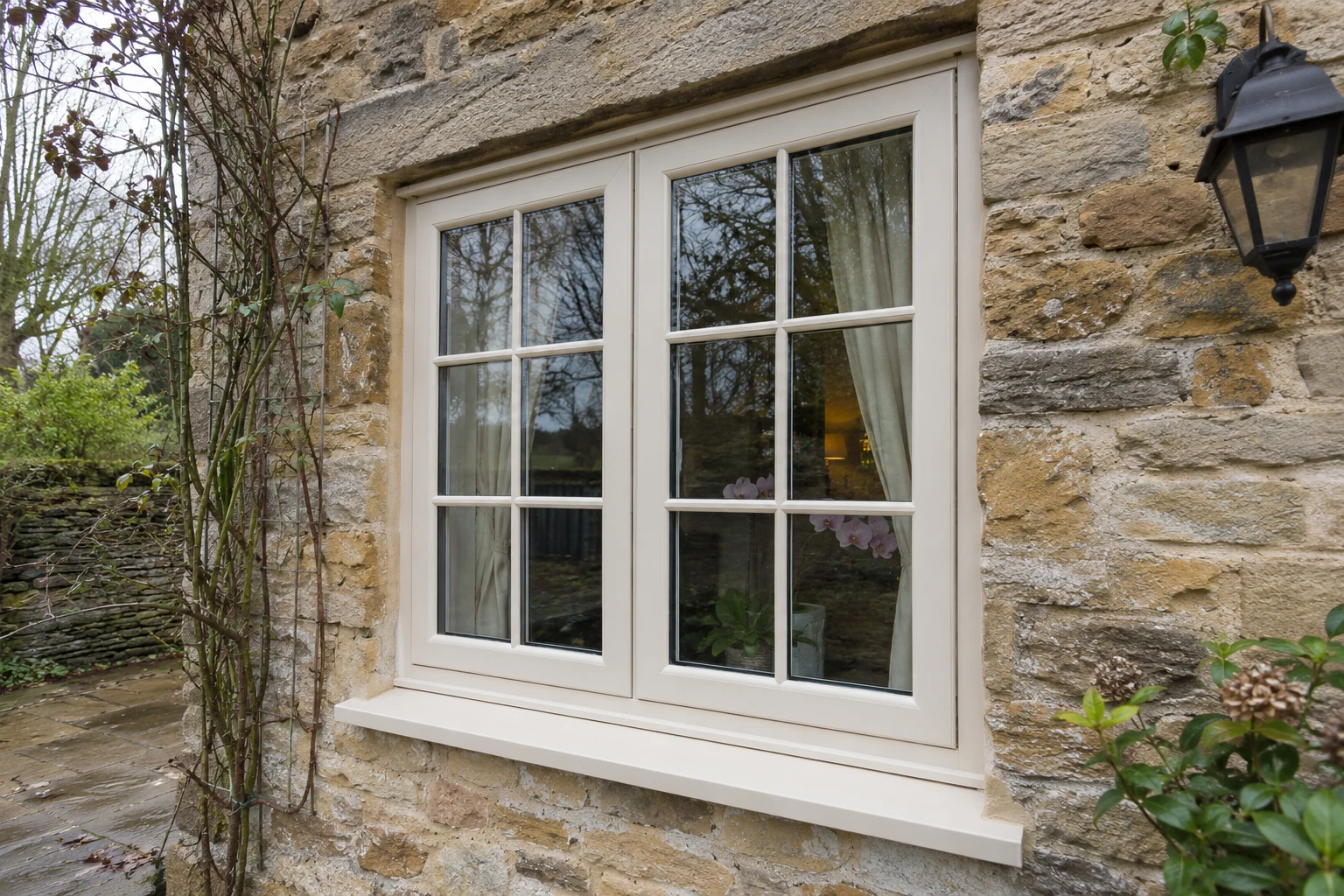
Coloured and heritage-style windows focus on the relationship between a home's architecture and its glazing. Think balanced openings, considered frame proportions, glazing-bar details and an appearance that works with the building rather than fighting it.
Heritage-style is a design description, not a specific material. Depending on the manufacturer and project, traditional-looking windows may be available in uPVC, aluminium or timber. We assess suitability before confirming any particular system.
It is the details that make the difference.
A convincing traditional appearance is about more than selecting a different finish.
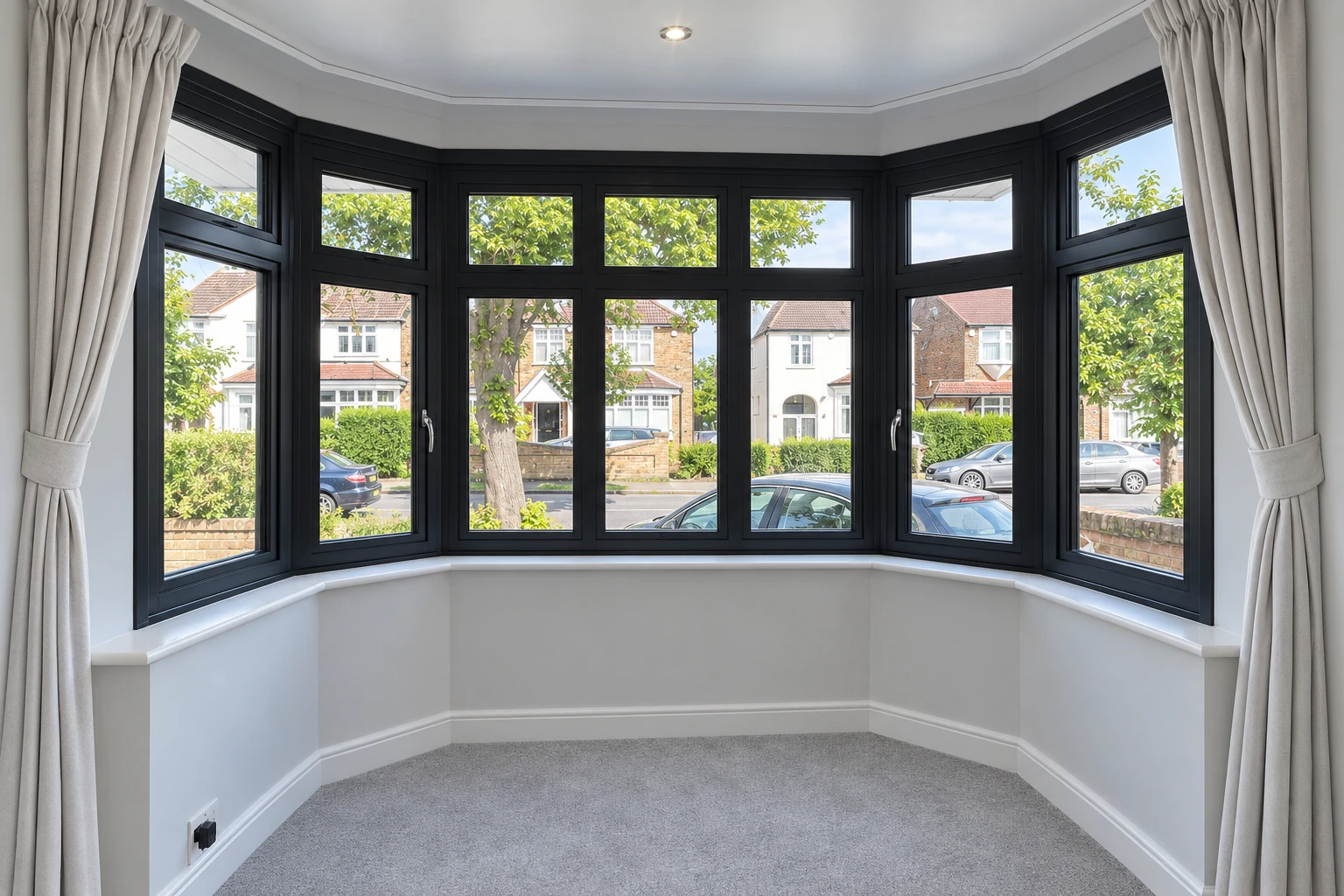
Compare the thickness of the outer frame, sightlines and the way opening sections sit within it.
Symmetry, fixed panes and side-hung or top-hung openings can all influence how the façade looks.
Traditional glazing bars and divisions may be available, but the type and placement should suit the property.
Brickwork, stonework, reveals, sills and existing window patterns should inform the replacement design.
Which homes suit heritage styling?
Different houses call for different details. These are common starting points, not a substitute for checking the property itself.
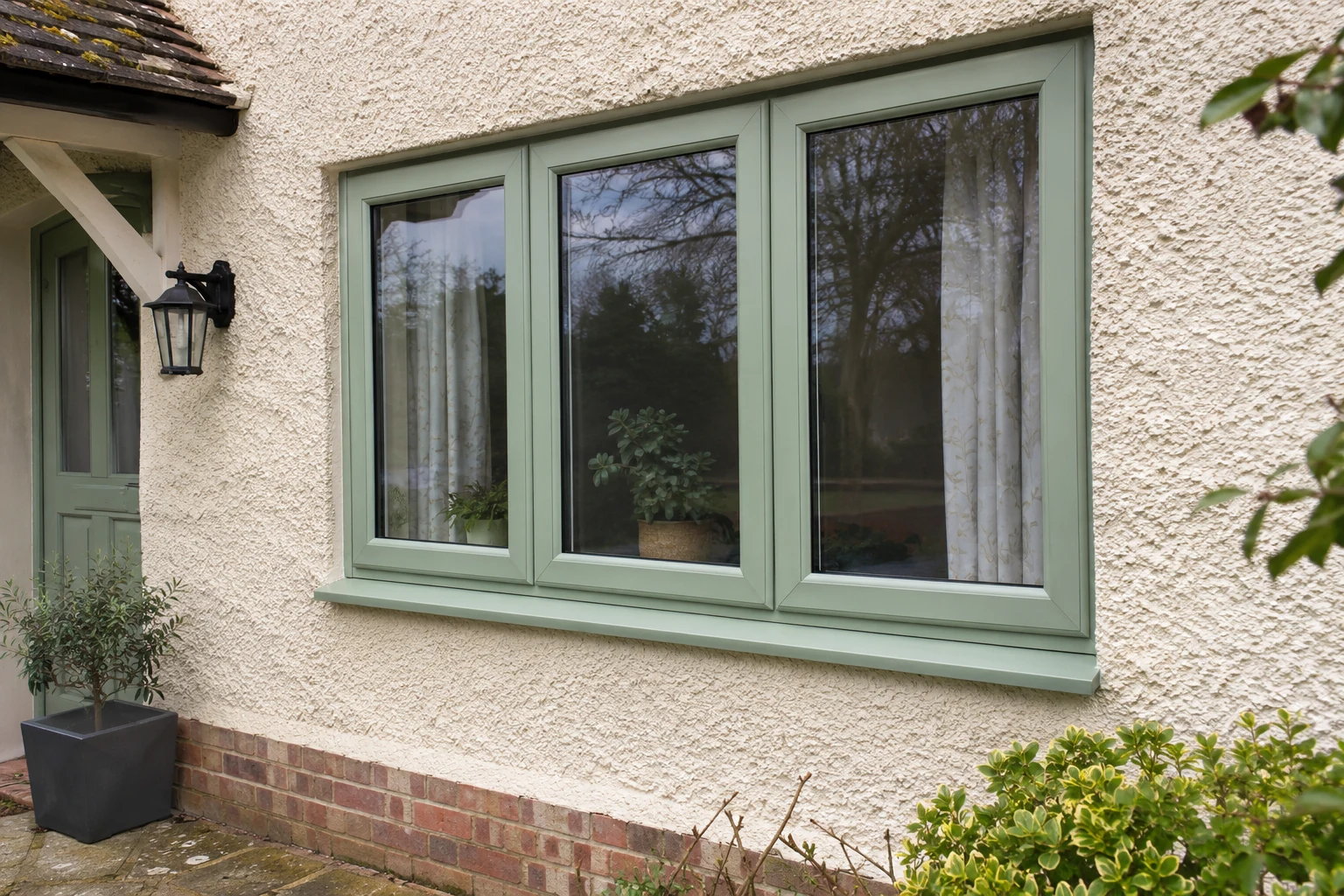
Cottages & rural homes
Restrained casement proportions and sympathetic glazing layouts can complement cottage architecture. Older original windows may be better repaired than replaced.
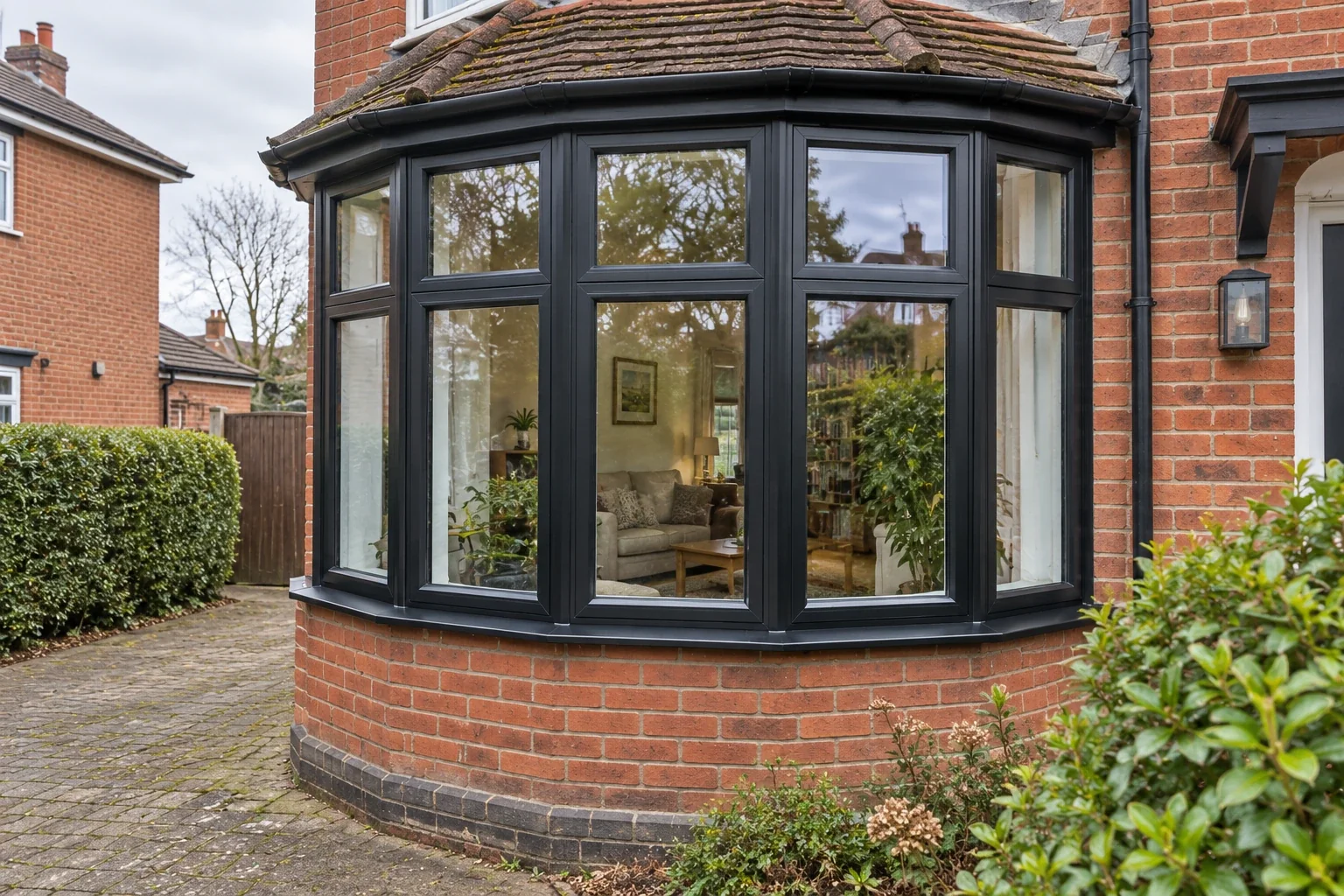
1930s & interwar houses
Bay windows, symmetrical elevations and clear glazing arrangements often define the appearance. Replacement designs should preserve the building's rhythm.
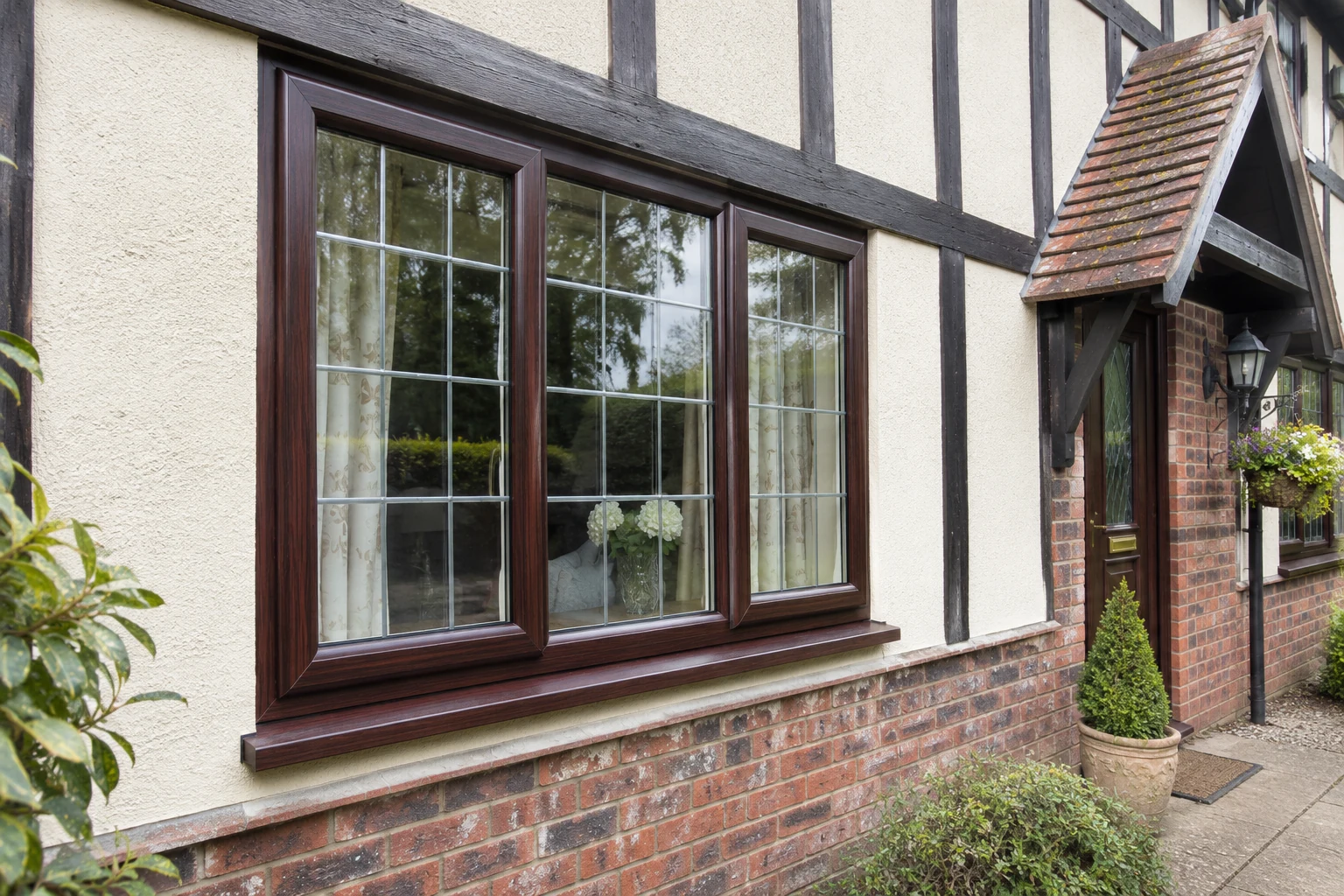
Tudor-style & character properties
Window proportions and the relationship with decorative external detailing matter more than any single product feature.
Character, comfort & practical value.
Benefits vary by frame material, glazing specification and installation, but a well-planned replacement can balance appearance with everyday performance.
More sympathetic appearance
Chosen thoughtfully, frame and glazing proportions can complement the existing building.
Different frame options
Traditional-looking designs may be available in several materials, subject to supplier range.
Improved thermal potential
Appropriately specified modern windows can improve comfort compared with failing replacements.
Practical openings
Opening styles can be planned around ventilation, access and room use.
Durability through care
Correct material selection, fitting and routine maintenance support service life.
Considered investment
Product choice can reflect both a home's appearance and your long-term maintenance preferences.
Durability comes from more than appearance.
Traditional looks can be achieved in different frame materials, but no product lasts indefinitely without care. The most useful comparison is between actual window systems, their maintenance requirements and the exposure of your home.
Routine cleaning, drainage checks and attention to seals and moving hardware.
Regular gentle cleaning of the finish and appropriate hardware maintenance.
Regular inspections and upkeep of protective finishes, especially where moisture can enter.
Good survey, installation, drainage, hardware and glazing all affect longevity.
Questions worth asking first.
An attractive window is only part of a good replacement project. We want the style, performance and fitting to make sense for the property.
Listed buildings, conservation areas and Article 4 Directions can change what work is permitted.
Historic windows often deserve retention and appropriate repair instead of replacement.
Compare complete-window energy figures, glazing, ventilation and security evidence.
Check surveys, sills, opening sizes, perimeter seals and making-good requirements.

Make the most of each opening.
The right combination of fixed glazing, opening casements and background ventilation depends on the room and the property. Safety glazing and emergency escape requirements also need consideration where applicable.
For thermal performance, compare complete windows rather than assuming one frame material is automatically better. Published U-values and Window Energy Ratings are more useful than appearance alone.
Keep the house's character.
Suburban houses can have distinctive original proportions too. When changing an existing window, think about the whole elevation, the other windows and whether a proposed design will still feel balanced years from now.
If you are uncertain about planning restrictions or whether to preserve an older window, establish those details before ordering a replacement.
Coloured & heritage-style window FAQs.
Practical answers about appearance, durability, historic properties and installation.
What are heritage-style windows?
Heritage-style windows are modern or traditionally constructed windows designed to complement older architectural details, such as balanced glazing proportions, casement profiles or glazing bars. The term describes appearance, not a specific frame material or guaranteed conservation approval.
Are heritage-style windows only for period homes?
No. They can suit cottages, traditional terraces, 1930s semis and newer homes where a softer, more characterful appearance is preferred. The frame proportions and opening style should suit the property rather than follow a trend.
Can heritage-style windows be made from uPVC, aluminium or timber?
Different manufacturers offer traditional-looking designs in uPVC, aluminium and timber, but not every shape or detail is available in every material. DF Installations will need to check the intended system and installation suitability before providing a product-specific quotation.
Can I replace windows in a listed building?
Work affecting the special interest of a listed building may need listed building consent, even where the replacement looks similar. Historic windows should generally be repaired and retained where possible. Contact your local planning authority and obtain the relevant permissions before ordering.
Do conservation area properties need special permission?
Not always, but additional restrictions can apply, particularly where an Article 4 Direction removes permitted development rights. The answer depends on the property, the proposed changes and local controls. Check with your council before committing.
Are heritage-style windows energy efficient?
They can be, but appearance alone tells you nothing about efficiency. Compare the entire window’s documented U-value or Window Energy Rating, including the frame, glass and seals, and make sure installation meets applicable requirements.
How durable are modern heritage-style window frames?
Durability depends on the material, manufacturing quality, exposure, hardware and maintenance. uPVC needs routine cleaning and attention to seals and hardware; aluminium finishes need appropriate cleaning; timber requires regular inspection and protective finish maintenance.
Can I keep traditional glazing-bar patterns?
Some systems can accommodate Georgian-style or other decorative glazing-bar arrangements. The location and style of bars, sightlines and frame proportions affect the final look. For historically significant windows, original glazing details should be assessed before alterations.
Can you fit windows I have already purchased?
Suitable installation-only work can be considered. Please send the product specification, sizes, photographs and postcode before ordering so DF Installations can check compatibility, responsibility for measurement and fixing requirements.
How do I request a quotation?
Send your postcode, photographs of the existing windows, an outline of the property type and whether you need supply and fit or fitting only. If the building is listed or in a conservation area, include any known restrictions and permission details.
Windows that belong on your home.
Tell us your postcode, the type of property and what you'd like to replace. We can discuss design suitability, supply-and-fit or fitting-only arrangements and the next steps.
REQUEST A FREE QUOTE ↗