
Triple Glazing.
Triple glazing can offer stronger thermal insulation, but it is not automatically the right answer for every home. Compare the whole window, not just the extra pane.
From one replacement window to a whole-house upgrade, we help customers understand the details before choosing a solution.
Explore Double Glazing ↗More insulation. Only where it matters.
Triple glazing uses three panes of glass and two sealed cavities. With an appropriate combination of low-E coatings, gas fills, spacers and frame design it can reduce heat loss beyond what a comparable double-glazed system achieves.
But the third pane increases glass weight and often thickness. For an existing home, the most useful question is not whether three panes sound better. It is whether the proposed complete window improves comfort and performance enough to justify its cost and installation constraints.

Is triple glazing worth it for you?
Explore three practical scenarios. Every home and manufacturer system is different, so these aren't automatic product recommendations.
Look at the full fabric first.
Triple glazing may be worthwhile alongside insulation, airtightness and other improvements. Compare the expected whole-window performance and cost uplift with a good modern double-glazed option.
What triple glazing can and cannot do.
A better thermal result isn't guaranteed by adding glass. Here are the real design questions.
Thermal performance
A properly specified system can achieve a lower Uw than a comparable double-glazed window.
Warmer internal surfaces
The inside pane can stay warmer in cold weather, helping comfort near large windows.
More glass weight
Frames, hinges, glazing beads, support, access and handling must suit the heavier assembly.
Different solar gain
Low-E coatings and additional glass can change the amount of beneficial winter sun entering a room.
Sound insulation varies
Three equal panes are not a guaranteed acoustic fix. Asymmetric and laminated glazing may work better.
Higher investment
The additional product and fitting cost should be justified by the project’s actual priorities.
Ug versus Uw. A crucial distinction.
Ug measures heat flow through the glazing unit, typically at the centre of the glass. Uw describes the entire window, including the frame and glazing. If you are comparing real products, the whole-window Uw is the more useful starting point.
Window energy ratings also consider solar gain and air leakage. A poorly selected triple system can underperform an excellent double system, so request the actual declared figures.
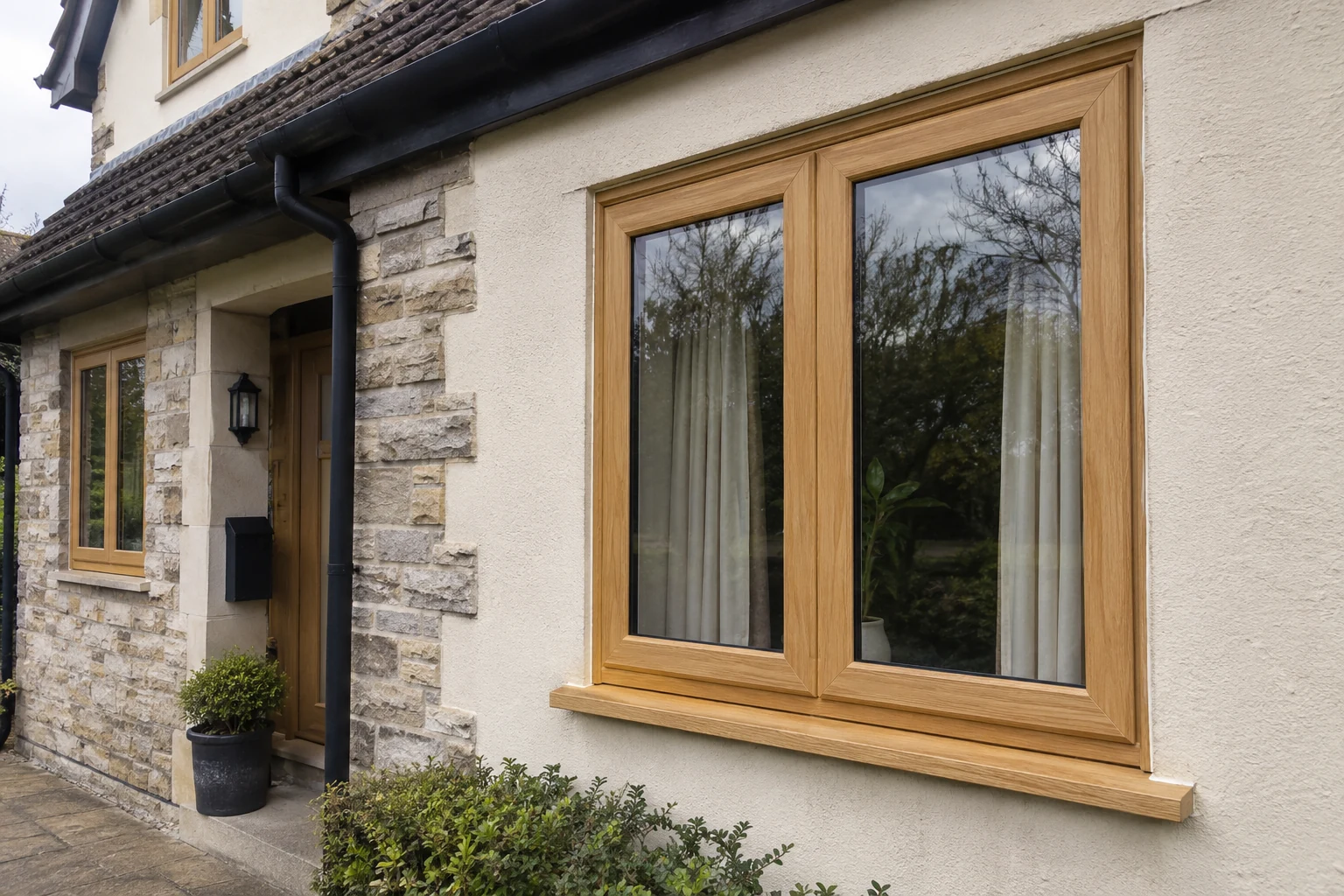
Understand the window build-up.
Triple glazing adds an internal pane and a second insulating cavity. Different coating positions, gas fills, spacer choices and cavity sizes affect the final thermal and solar result.
The finished unit is generally thicker and heavier. Before promising an upgrade to an existing window, check the frame profile, hardware and manufacturer approval.
See when double glazing is enough ↗
Three panes don't mean silence.
For homes near a busy road, railway or flight route, acoustic design matters more than the simple number of panes. A well-designed double unit with acoustic laminated glass or asymmetric panes may outperform a standard triple unit at some frequencies.
Ask for the tested acoustic rating and remember that vents, gaps and installation details influence the real result. In some historic homes, secondary glazing can offer a very effective alternative.
Six things to check before upgrading.
What is the declared Uw?
Compare the whole-window performance of the exact double and triple systems.
How much more will it cost?
Request an itemised comparison rather than assuming a universal price uplift.
Can the frame carry the unit?
Confirm sash profile, beads, hinge load, opening sizes and safe handling.
What is the g-value?
Understand winter solar gains and potential summer overheating considerations.
What noise rating is tested?
Request documented acoustic evidence for the proposed system, not a generic promise.
Are there planning constraints?
For historic or protected properties, consider alternatives and check consent requirements.
Double versus triple. What actually changes?
Compare the product specification and the full installed window, not just the glazing unit. The table is general guidance, not a substitute for a manufacturer specification.
| Consideration | Double glazing | Triple glazing |
|---|---|---|
| Glass panes | 2 | 3 |
| Insulating cavities | 1 | 2 |
| Thermal potential | Strong with suitable low-E, gas and frame design | Potentially higher with a correctly optimised specification |
| Weight & thickness | Usually lighter and slimmer | Generally heavier and thicker |
| Sound reduction | Can be excellent with acoustic glass and good seals | Not automatically better; specification matters |
| Solar gain | Depends on coating, glass and orientation | Often changes with additional coatings and panes |
| Typical cost direction | Often lower | Often higher |
| Best-fit projects | Many replacements and everyday upgrades | Targeted high-performance design and retrofit projects |
For noise and thermal performance ask for tested or calculated values for the exact whole-window system. Different suppliers and frame configurations produce different results.
Read the full Double Glazing guide ↗Clear scope. Careful fitting.
An impressive glass specification is no use if the installation is poor.
Tell us the problem
Share photos, postcode, window count and what you want to improve.
Compare options
Review styles, glazing build-up, Uw, ventilation and the suitability of the frame.
Agree the quote
Confirm supply, removal, access, product specification, making good and compliance route.
Fit & check
Install the agreed windows, check seals, operation and handover information.
Choose the frame, not just the glass.
Glazing is only one part of the window. Openings, materials, hardware, ventilation and design all make a difference. Explore DF's detailed window pages before settling on a specification.
Window availability, glazing thickness and specifications depend on the selected supplier and system.
Different properties. Different solutions.

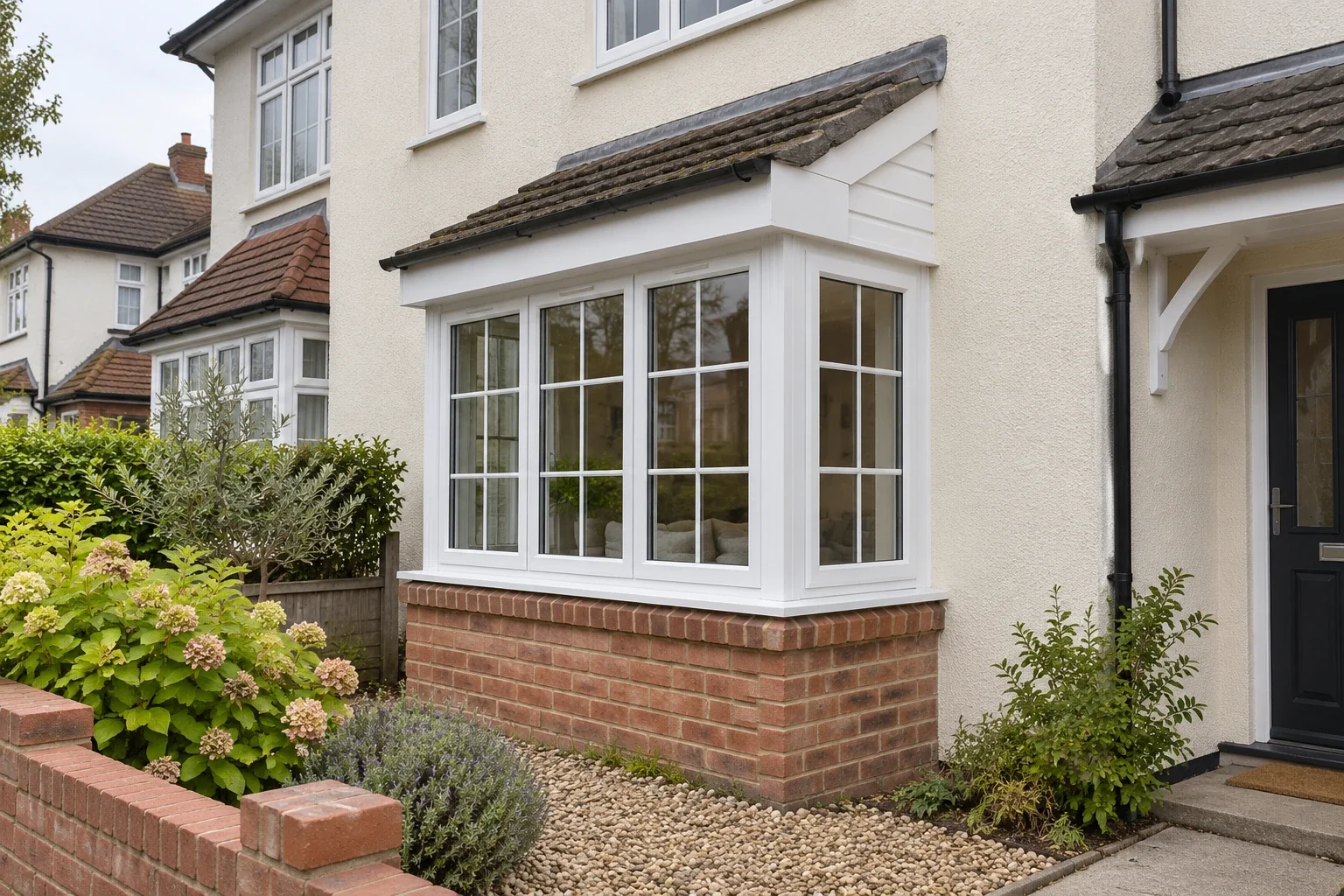
Images illustrate the range of window designs, not verified glazing specifications or claimed DF project installations.
Triple glazing in Hertfordshire.
DF Installations is based in Hatfield and considers window supply and fitting enquiries in Hertfordshire, parts of North London and nearby Bedfordshire. Send your postcode to confirm availability.
The local areas are shown as plain text, without links. Surrounding towns and villages may also be considered.
Triple glazing FAQs.
The important questions deserve a useful answer, not an automatic upgrade pitch.
Is triple glazing actually better than double glazing?
A correctly designed triple-glazed window can have lower heat loss than a comparable double-glazed window, but the full specification is decisive. Some basic triple-glazed units underperform high-quality double glazing.
Does triple glazing always make a room quieter?
No. Acoustic results depend on glass thickness, different pane thicknesses, lamination, cavity widths, seals and installation. Ask for evidence of the tested acoustic rating.
Is triple glazing worthwhile in Hertfordshire?
It may be worthwhile for high-performance renovations, cold exposed rooms, large glazed areas or projects with a demanding energy target. It is not automatically necessary for every UK home.
What does Uw mean?
Uw is the thermal transmittance of the whole window, including frame and glass. A lower Uw means less heat lost under test conditions. Ug describes the glass only, so the two should not be confused.
Why does triple glazing weigh more?
A triple-glazed unit adds a third pane and often requires a thicker sealed assembly. The window system, frame hardware, support and installation handling must suit the extra weight.
Does triple glazing reduce solar heat gain?
Certain configurations transmit less solar energy. That can be useful where summer overheating is a concern, but it can also reduce beneficial winter sunshine. Compare g-values for the proposed units.
Can triple glazing be fitted in existing uPVC frames?
Only if the manufacturer confirms the existing frame, beads, hardware and glazing pocket can take the specific unit dimensions and load. Often a complete compatible window replacement is needed.
Will triple glazing prevent all condensation?
No. Warmer room-side glass can reduce some surface condensation, but humidity, ventilation and cold bridging still matter. External morning condensation can also occur on thermally efficient glazing.
Is acoustic double glazing better than standard triple glazing?
For some noise frequencies and window systems it can be. Proper acoustic specification and tested whole-window figures are more useful than pane count alone.
Do triple-glazed windows cost more?
They frequently carry an additional cost due to glass, weight and construction, but the amount depends on the model and site. We recommend comparing like-for-like quotations and the actual certified performance.
What about listed buildings and conservation areas?
Historic windows may have limited glazing space or special significance. Repair, draughtproofing and secondary glazing may be more appropriate, and relevant consents should be checked.
How do I decide between double and triple glazing?
Start with the reason for replacement: comfort, noise, running costs, planning restrictions or a design target. Compare Uw, g-value, acoustic data, frame design, cost, aftercare and fitting requirements.
Can you discuss triple-glazed window fitting in North London?
DF Installations takes suitable enquiries across Hertfordshire and selected North London and Bedfordshire areas, subject to specific manufacturer systems and project requirements.
Choose the window that fits your home.
Tell us about your existing windows, property postcode, preferred styles and goals. We can discuss suitable products and the right installation scope.
Request a glazing quotation