
Window Repairs.
Stiff handles. Misted glass. Draughty or hard-to-close windows. Not every fault means you need a whole new window. Explore common repairs and request an assessment from DF Installations in Hertfordshire and nearby areas.
It might only need the right repair.
A sticking window, cloudy double-glazed pane or worn handle does not necessarily mean the entire frame needs removing. Many faults affect replaceable components rather than the window itself.
We review the symptoms, age and condition of the window, then consider what is practical. Compatible replacement parts, frame integrity, glazing type and access determine whether a repair is appropriate.

Common window faults we can assess.
From everyday wear to failed glazing, here's what to look for. The correct remedy always depends on the exact window and fault.
Misted or cloudy double glazing
Condensation trapped between panes usually means the insulated glass unit has failed. Where the frame is sound, replacing only the sealed unit may be possible.
Stiff or dropped hinges
Difficulty opening or a sash catching the frame can point to worn hinges, misalignment or failed friction stays. The cause should be checked before changing parts.
Broken handles & window locks
Loose handles, seized mechanisms or windows that will not lock can sometimes be repaired with suitable replacement components.
Draughts & worn gaskets
Ageing compression seals, poor sash alignment and gaps around a frame can allow unwanted air movement. The repair depends on where the draught originates.
Windows that will not close
A sash that rubs, drops or does not pull tight against the seals may need hardware adjustment or repair, provided the frame itself remains serviceable.
Cracked or damaged glazing
Broken glass needs safe assessment and the correct replacement specification, including safety glazing wherever required.
Leaks around windows
Water entry may come from perimeter sealant, sill details, blocked drainage, external building fabric or damaged seals. Correct diagnosis matters.
Maintenance & adjustment
Operational checks, suitable lubrication, drainage inspection and adjustment can help extend the useful life of serviceable windows.

Cloudy glass? It may be the sealed unit.
When fog or water droplets appear between the two panes and cannot be wiped from either surface, the sealed glass unit may have failed.
If the existing frame is structurally sound, it can often be retained while the insulated glass unit is replaced. That is different from condensation on the room-facing surface of glass, which is usually related to indoor moisture and ventilation.
The replacement glass must be measured and specified correctly, including toughened or laminated safety glazing where needed.
Don't replace what still works.
Replacing a whole window may be unnecessary for an isolated component fault. Equally, repairing a badly deteriorated frame may not be worthwhile. The condition of the complete window should guide the decision.
Repair the component
Often sensible when the frame is structurally sound and the issue is limited to a handle, hinge, gasket, lock or sealed glass unit.
Replace the sealed glass unit
Often possible when misting is between the panes but the existing window frame remains suitable for reuse.
Consider a new window
May be more appropriate for severely warped, rotten, structurally defective or repeatedly failing frames, or where suitable parts cannot be obtained.
What is your window doing?
A few details can make the first conversation much more useful.
Tell us whether the sash catches, the handle will not turn or the window sits away from the frame.
Check whether moisture is inside the room, outside the glass or trapped between the panes.
Explain which edge you feel air from and whether the seal or frame appears damaged.
Share a close-up photograph and whether the lock still engages.
Note where it appears, whether it happens during wind-driven rain and any visible wall cracks.
Do not handle broken edges. Tell us which room it is in and whether the opening can be secured.
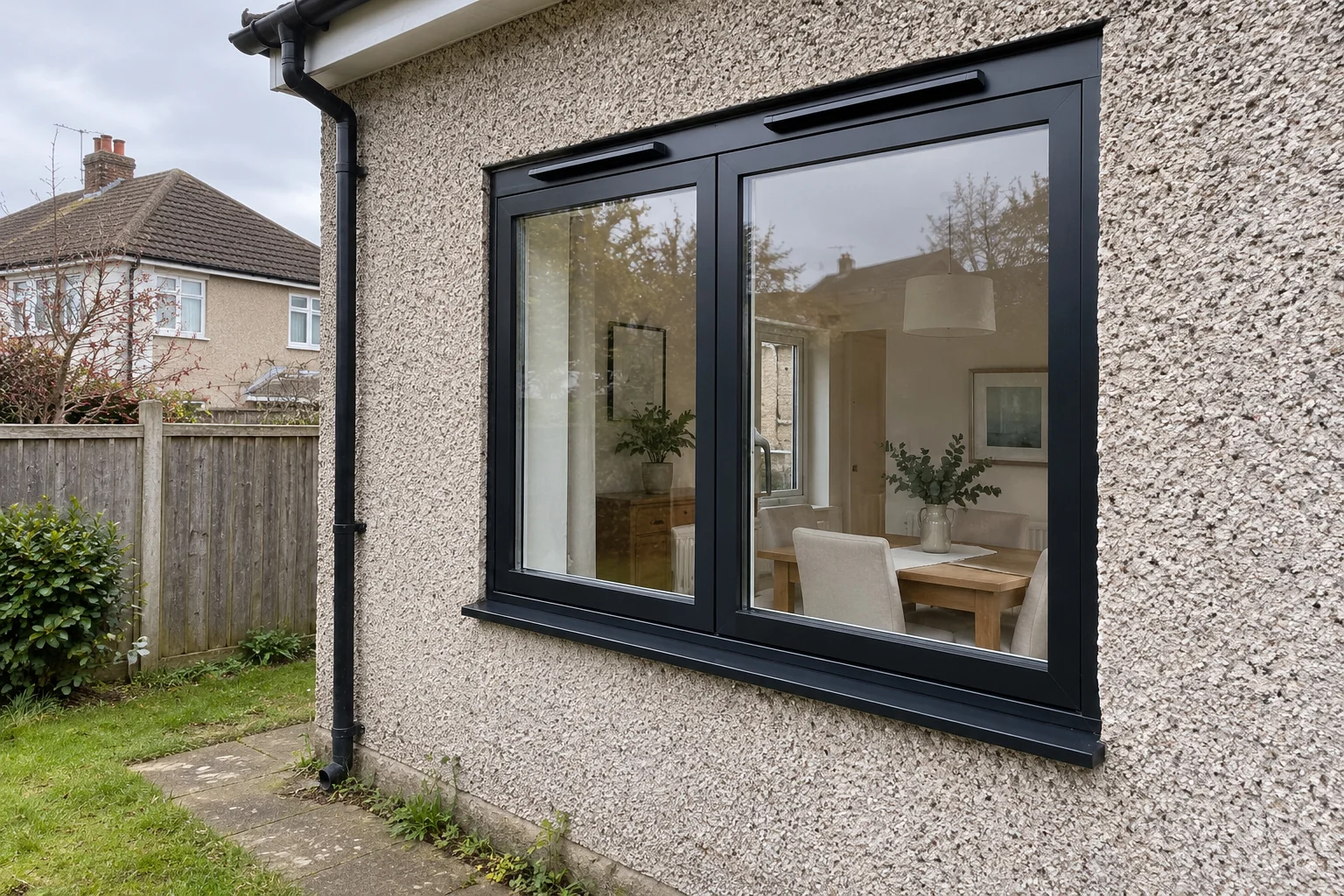
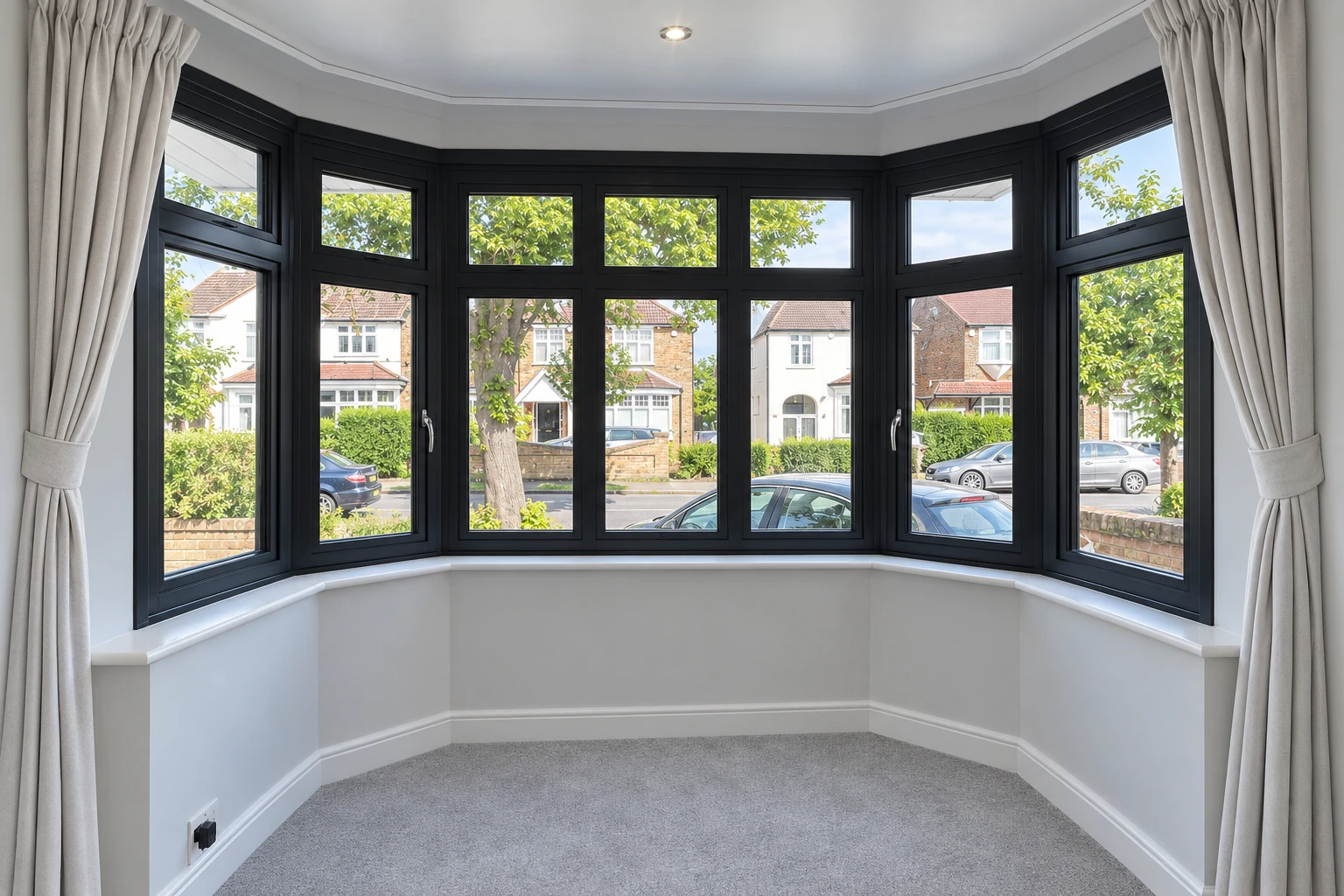
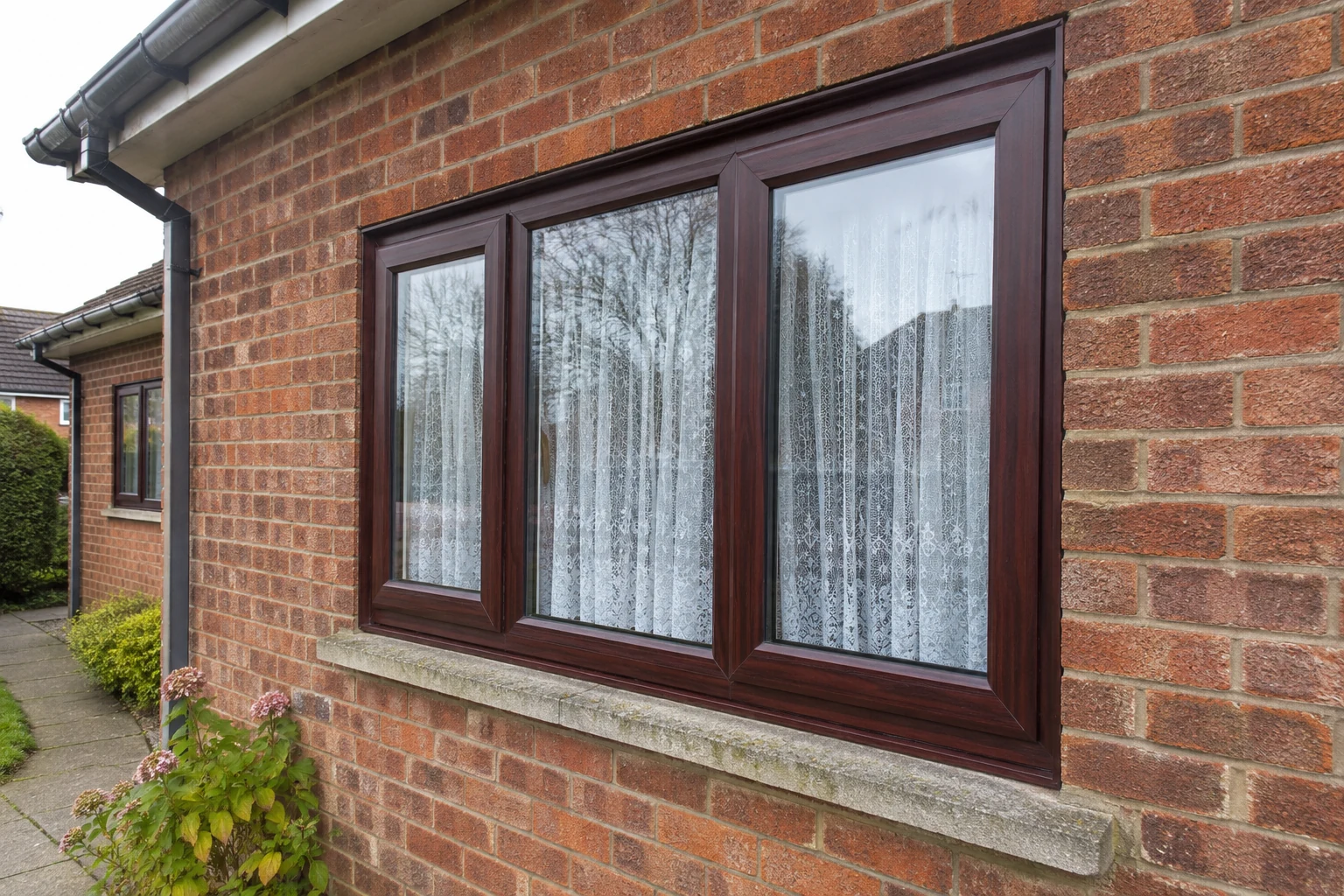
Photographs illustrate window types and properties. They are not presented as completed repair jobs.
Window repairs across our local area.
Based in Hatfield, we take enquiries across Hertfordshire, parts of North London and neighbouring Bedfordshire. Tell us your postcode so we can confirm coverage for the work required.
Also serving surrounding towns and villages where travel and the repair requirements allow. Locations are listed for information, not as separate linked pages.
A straightforward repair enquiry.
Describe the fault
Tell us which window is affected, your postcode and whether it is secure.
Show the details
Send a full window photo plus close-ups of hinges, handles, glass or damaged seals.
Assess the options
We discuss whether a repair, further inspection, specialist part or replacement is appropriate.
Confirm next steps
Any visit, supply requirements, quote and work schedule are agreed before proceeding.
Window repair FAQs.
Clear answers to common faults, repair suitability and what to expect before a visit.
Can misted double glazing be repaired without replacing the whole window?
Often, yes. Misting between the panes usually indicates a failed sealed glass unit. If the frame is in good condition and the new unit is compatible, the glass unit may be replaced on its own.
Why does my window feel draughty?
Possible causes include worn compression gaskets, a dropped opening sash, gaps at the perimeter seal or the surrounding wall. A survey helps identify the actual source.
Can you fix a window that will not open or close?
Some faults are caused by hinges, handles, locking gear or alignment. We can review the symptoms and the existing window to assess whether a suitable repair is possible.
Do you replace broken window handles and locks?
Suitable hardware replacement or adjustment can often be considered, depending on the profile, mechanism and availability of compatible components.
Does condensation on the inside of the glass mean the sealed unit has failed?
Not necessarily. Condensation on the room-facing surface is usually associated with indoor moisture, temperature and ventilation. Moisture trapped between panes is a different fault and may indicate sealed-unit failure.
Can you repair leaking windows?
We can assess common causes such as perimeter seal failures, drainage and sash sealing. Water ingress can also originate in roofing, pointing or other building elements, so the source needs to be established first.
Can old uPVC windows be repaired?
Many common hardware and glazing faults can be repaired if the frames remain sound and compatible replacement parts are available. The age alone does not determine whether replacement is necessary.
Can you work on aluminium or timber windows?
We can review repair enquiries involving different frame materials. The feasible work depends on the system, condition, access and whether suitable parts or specialist trades are required.
Do small window repairs need a FENSA certificate?
Routine maintenance or hardware repairs are different from installing a complete replacement window. The applicable compliance and certification route depends on the actual work. We clarify this where replacement work is proposed.
How much does a window repair cost?
Costs depend on the fault, component, window size, access and whether specialist materials need ordering. Send photographs, the property postcode and a description so the job can be assessed.
Do you offer emergency call-outs?
Please contact us with the fault and urgency. Do not assume an emergency or same-day service is available until it has been expressly confirmed.
Which areas do you cover for window repairs?
We are based in Hatfield and handle enquiries across Hertfordshire, parts of North London and nearby Bedfordshire. Whether we can attend a particular postcode depends on the job and travel requirements.
Tell us what's wrong with your window.
Send a few photos, the postcode and a description of the fault. We can discuss whether repair or replacement is the sensible next step.