
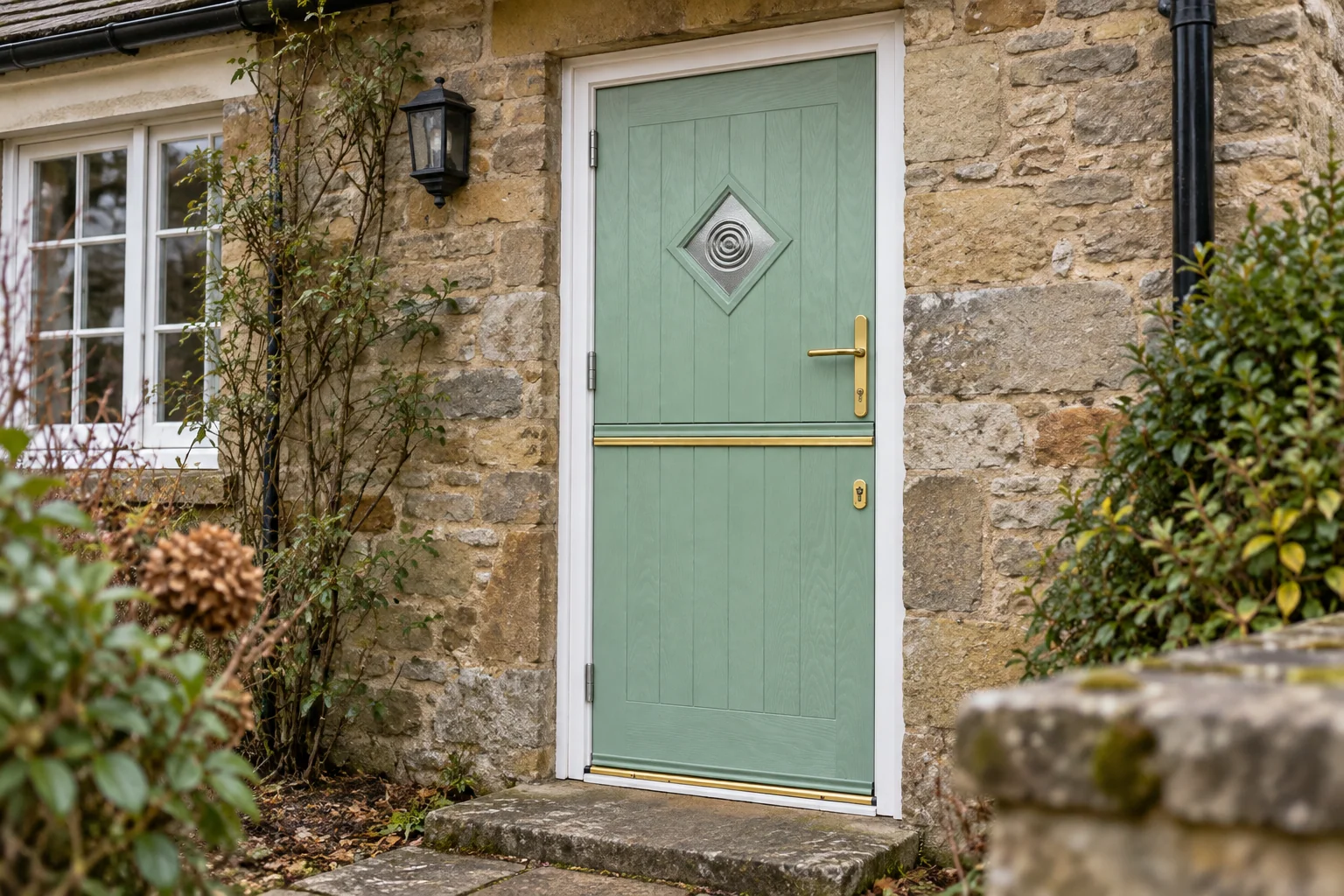
Fresh air on your terms
Open the top half for ventilation without opening the entire doorway. Especially handy in kitchens and utility spaces.
Fresh air when you want it. A closed lower door when you need it. Discover characterful stable doors, practical split-opening designs and professional stable door supply and fitting across Hertfordshire and North London.
Open the upper section for airflow while leaving the lower section closed. A thoughtful choice for kitchens, utility rooms, cottages and garden-facing doors.
A stable door is split horizontally into an upper and lower section. You can open the top to let in a breeze while keeping the bottom closed, or use compatible configurations as one full-height door.
Inspired by traditional country properties, today's stable doors can also complement modern British homes. The right finish, glazing, locks and seals can make them a practical alternative to an ordinary back or side entrance.
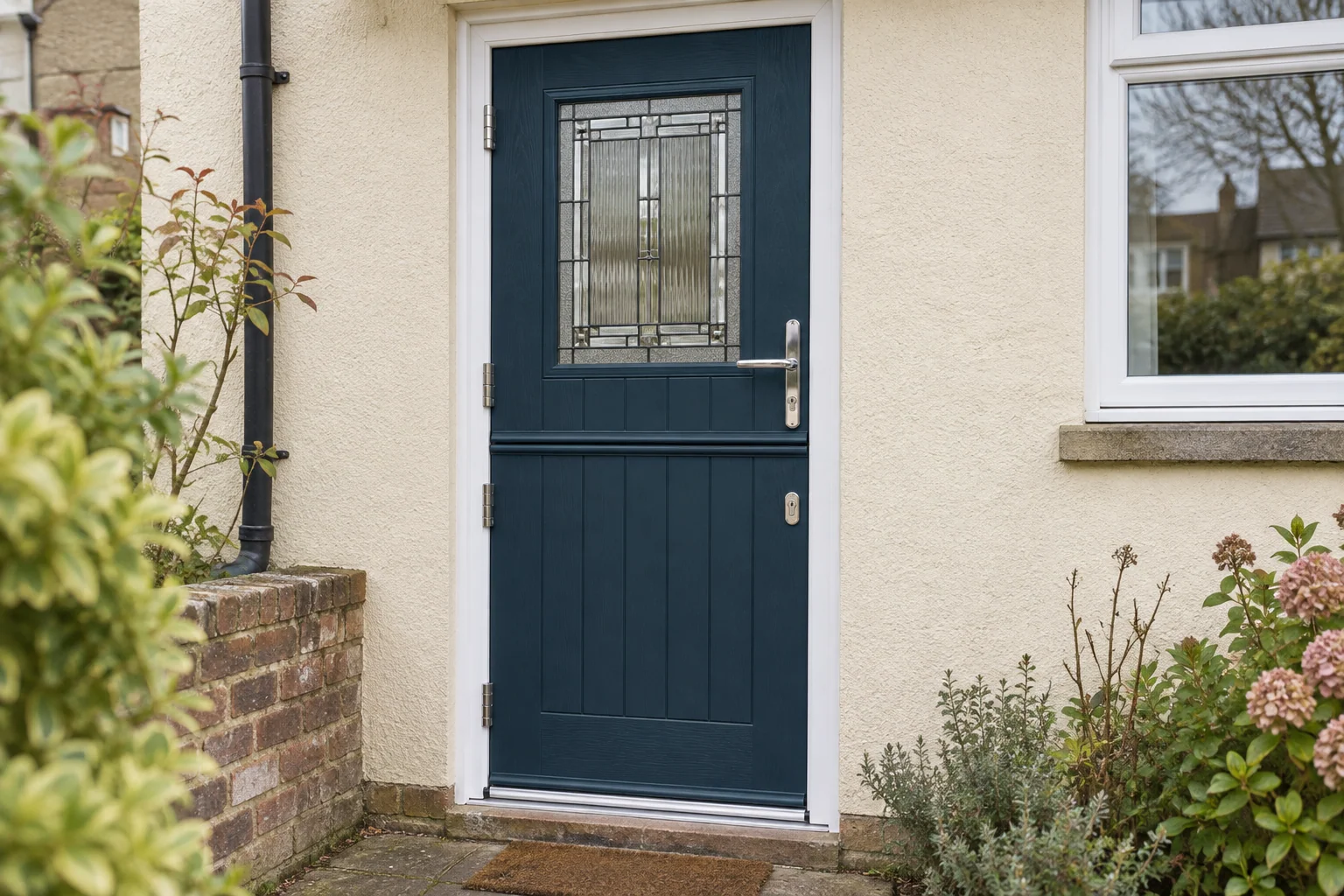
A split-opening door changes how a room connects with the outdoors. These are the practical reasons homeowners choose one.
Open the top half for ventilation without opening the entire doorway. Especially handy in kitchens and utility spaces.
Chat across the doorway or enjoy views outside while keeping the bottom section closed.
Traditional charm works beautifully with brick, stone and render, with contemporary colours available on suitable products.
Choose upper-half ventilation or open the combined door for normal passage, depending on its locking and coupling arrangement.
Consider glazed panels, decorative glass, classic colours and door furniture where offered by the manufacturer.
A closed lower leaf can reduce easy passage through an open doorway, though it must not be treated as a safety gate for children or pets.
Stable doors aren't only for rural cottages. Here are the homes and households that often find them useful.
Add traditional character with a split design and finishes suited to stone, brick or painted render.
Let fresh air into busy rooms while maintaining a practical lower barrier at the opening.
Enjoy the view and a connection to the garden without leaving the whole door open.
Useful for controlled ventilation, but never rely on the lower section as a guaranteed pet barrier or substitute for supervision.
Keep the lower leaf shut during busy daily routines. Proper door locking and child supervision still matter.
Refresh an older back or side entrance with a door that combines familiar styling and practical opening options.
Stable doors have more moving parts and sealing interfaces than a typical single-leaf door. The horizontal meeting rail, separate locks, hinges and frame seals all deserve attention when choosing a system.
Many modern designs use a composite construction for a durable, low-maintenance finish. Compare the precise specification rather than assuming all models are the same.
Ask how each section locks and couples together, and what security testing applies to the exact product.
The central split, frame and threshold must be correctly sealed and aligned to limit water ingress and draughts.
Clean seals and drainage routes, inspect hardware and maintain hinges and locks according to supplier instructions.
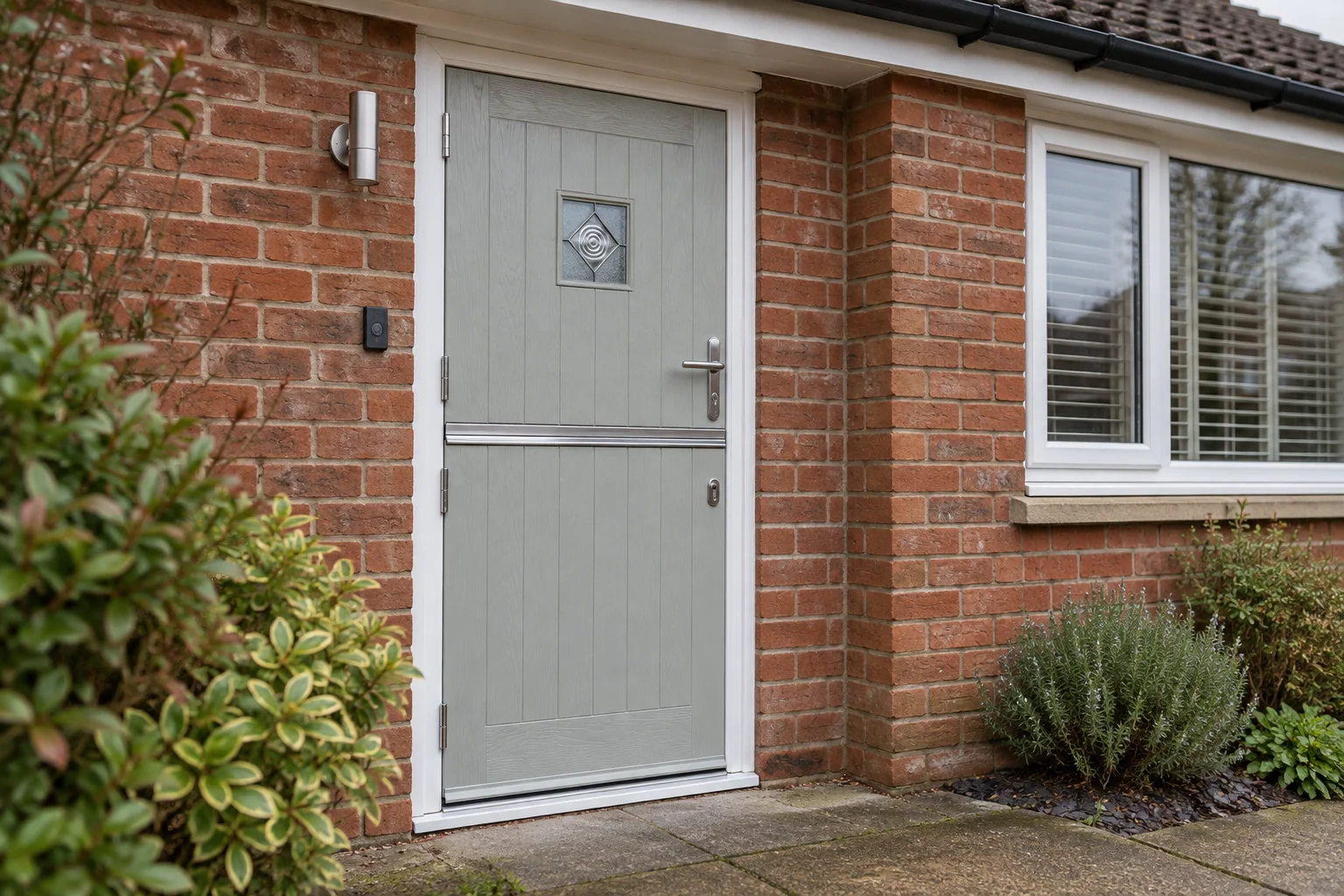
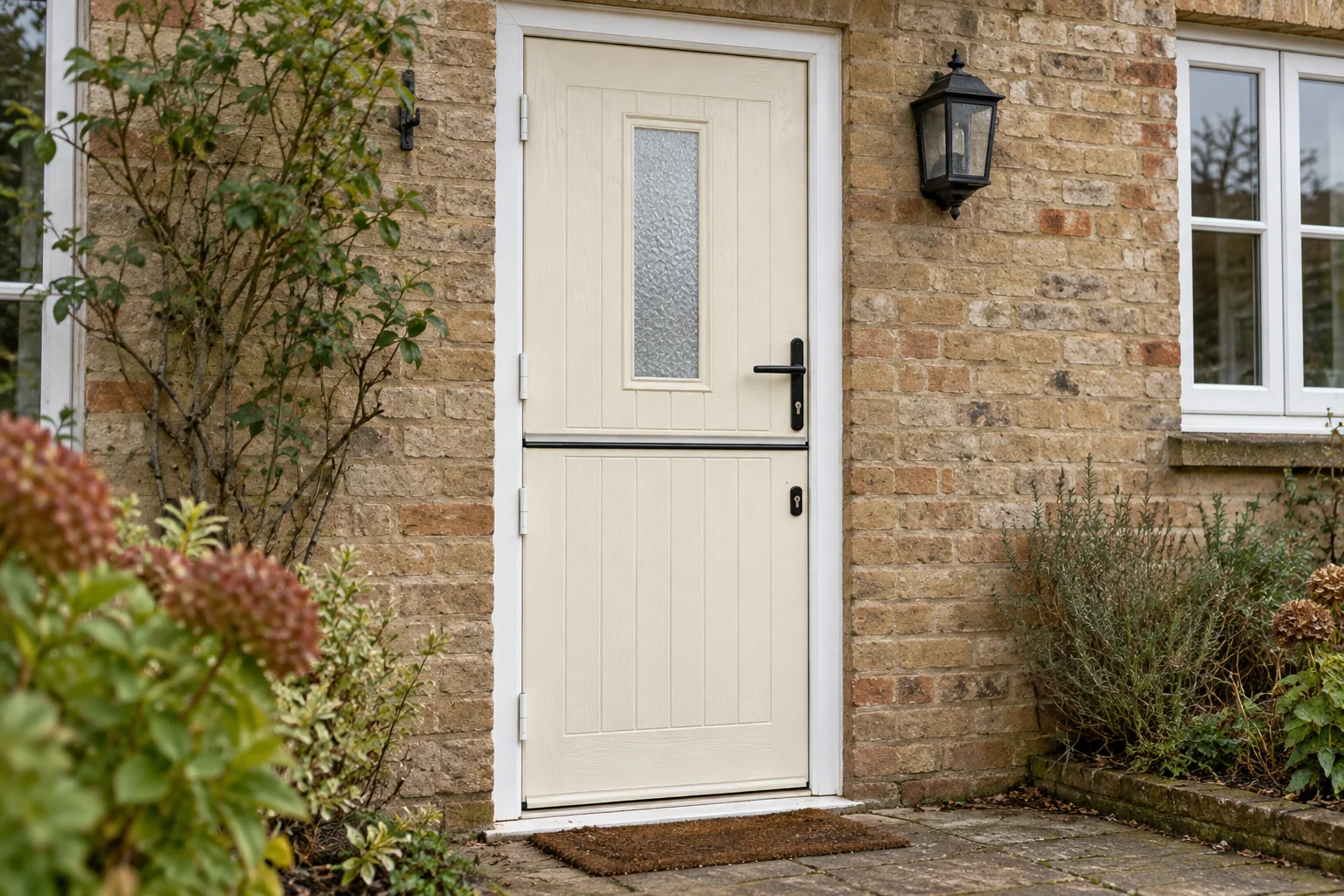
The finish should suit both the building and the way you use the entrance. Traditional blue and green shades bring cottage character, while cream, grey and glazed styles create a softer or more contemporary look.
Subject to the specific manufacturer, you may be able to compare obscure glazing, decorative glass, different door furniture and coordinated hardware. Always confirm colour samples and the final door specification before ordering.
Illustrative colours only. Actual finish availability and appearance vary.
Browse seven stable door examples and five related full-height composite front-door designs for colour and glazing inspiration.
Image note: The first seven photographs show stable-door designs. The other five show full-height composite entrance doors supplied as style references; they are not presented as split-opening stable doors, nor as verified DF installations. Manufacturer availability must be confirmed.
DF Installations can discuss supplying and fitting a suitable stable door, including surveying, frame selection, glazing, threshold details, removing the existing door where agreed, fitting and checking the operation of both sections.
Already purchased your stable door? Installation-only enquiries are considered when the product, frame dimensions and manufacturer instructions are available and the doorway is suitable.
Understand the existing frame, sill, reveals, floor level and practical access.
Confirm water management and the sealing arrangement around the whole assembly.
Check both sections, hinges, engagement and locking in line with the specified system.
Check relevant replacement-door and glazing requirements before work is agreed.

The details are agreed before products are ordered or a fitting date is booked.
Send the property postcode, photograph, preferred colour, glazing and whether you need supply and fit.
Discuss measurements, weather exposure, threshold, security and appropriate door options.
Confirm door system, supply, removal, installation details, finishing and any exclusions.
Install the agreed door, inspect seals, test the split-leaf operation and review the finish.
Looking for a conventional full-height front door or wider garden opening? Explore the related DF door collections.
Based in Hatfield, DF Installations takes enquiries for stable door supply and fitting across Hertfordshire, parts of North London and nearby Bedfordshire. Share your postcode so we can check the project location and availability.
Surrounding villages and suitable nearby areas may also be considered. All locations are displayed without links.
From weatherproofing and security to fitting and suitability, here are the useful questions to ask before ordering.
A stable door is divided horizontally into upper and lower sections. The upper part can open while the lower part stays closed; compatible designs can also operate together as a full-height door.
Yes. Although associated with cottages and farmhouses, suitable stable doors can work with modern brick, render and contemporary extensions. The best choice depends on the property and available design.
Sometimes. It depends on the chosen system, threshold, weather exposure, security specification and suitability for the main entrance. Many homeowners choose them for kitchen, utility or garden access.
A properly specified composite stable door can offer robust everyday performance and a low-maintenance finish. Durability depends on the particular door construction, exposure, maintenance and installation.
It should be properly sealed when closed, but the horizontal split creates another junction that needs quality seals and correct alignment. Compare the particular system's performance rather than assuming all stable doors are identical.
Security depends on locks for the separate sections, frame construction, glazing and available testing or certification. Ask for the exact product's security specification, not a general claim.
Glazed and part-glazed designs are available on suitable systems. Options may include frosted or decorative glass, subject to manufacturer availability and safety glazing requirements.
Yes, that is a common reason to choose the design. However, the lower half is not an approved pet or child safety barrier: consider whether your pet could jump, climb or push against it, and supervise children.
The cost depends on material, split-leaf hardware, glazing, locking, frame size, finishes and installation requirements. A project-specific quotation is needed.
DF Installations can discuss a suitable stable door supply-and-fit project. Final design, availability and installation scope depend on the selected manufacturer and property opening.
Installation-only enquiries can be considered where the product is suitable. Provide manufacturer specifications, dimensions, fitting instructions, threshold details and photographs of the existing opening.
Requirements vary with the door and work involved. Replacement external doors may be controlled fittings, including glazed doors; the appropriate competent-person or Building Control route should be confirmed for the specific installation.
Replacing a door often requires no planning application, but listed buildings, conservation restrictions, flats and structural alterations may change the position. Check with the local planning authority when relevant.
DF Installations is based in Hatfield and considers stable door enquiries in Hertfordshire, parts of North London and nearby Bedfordshire. Share your postcode so travel and availability can be checked.
Tell us the location, what you want to replace and the stable-door style you prefer. Photos of the current opening help us discuss the next step.
Request a free stable door quote ↗